
By Dr. Nitza Alvarez, MD, FACC for NITZAMD
Takotsubo cardiomyopathy—commonly known as “Broken Heart Syndrome”—is a temporary cardiac condition where the heart’s main pumping chamber (the left ventricle) suddenly balloons and fails to pump blood effectively. Often triggered by an acute emotional shock, tragic loss, or unexpected physical strain, this condition predominantly affects women. However, the dramatic trigger event is rarely the full story.
The Role of Underlying Chronic Stress
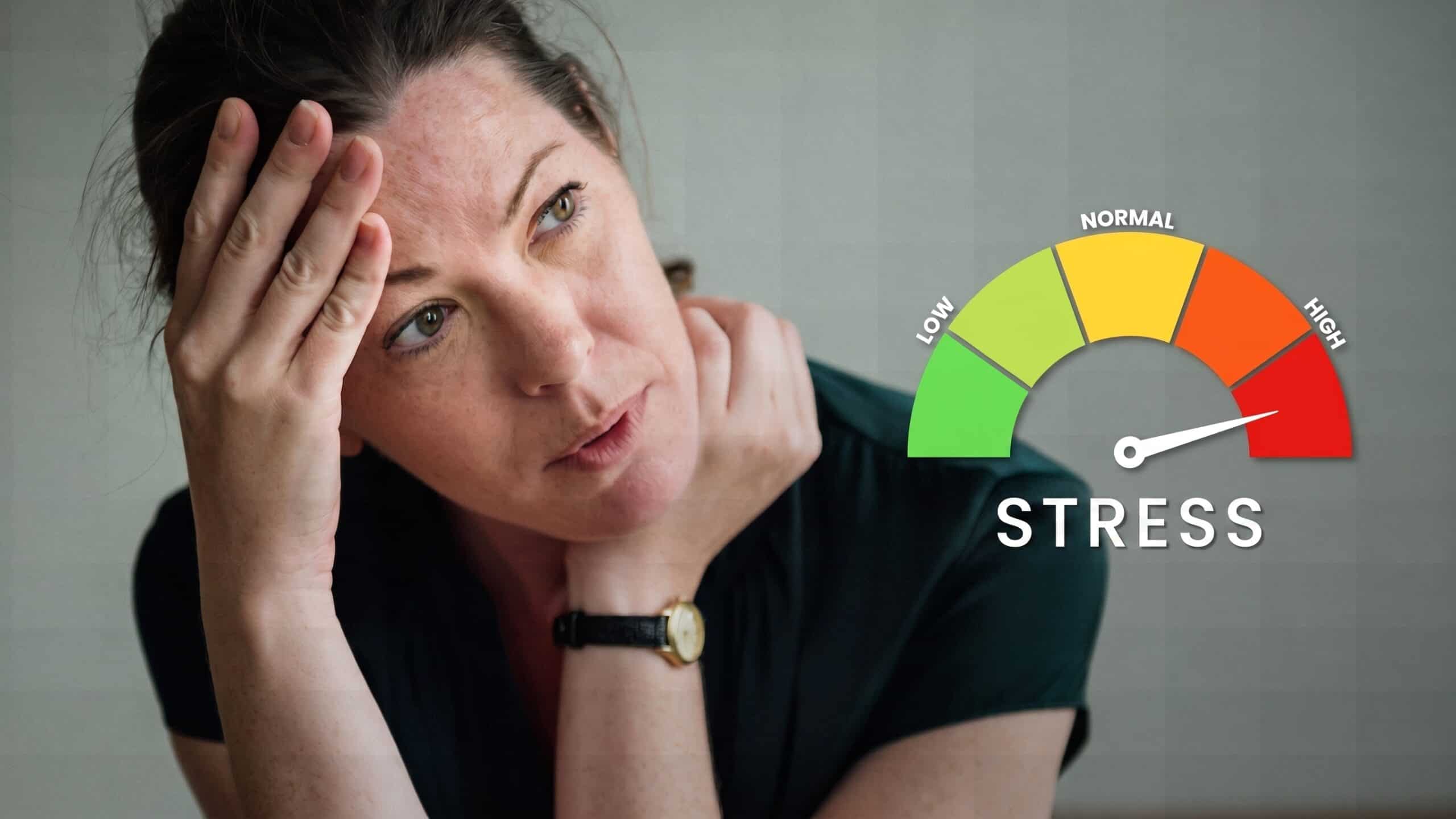
While a sudden emotional shock—or even an overwhelming wave of happy news—can serve as the final tipping point, underlying chronic stress often lays the physiological groundwork.
- The Saturated System: Living in a continuous state of high daily alert saturates your cardiovascular system with baseline adrenaline and cortisol.
- The Final Straw: When a sudden emotional surge occurs on top of that elevated baseline, the heart muscle becomes stunned by a massive catecholamine flood.
- The Recovery Path: While the physical heart muscle can completely recover within weeks using targeted medical therapies, long-term safety requires healing the emotional driver beneath it.
Dr. Maria Isabel Alvarez-Torres notes: “Our bodies are built to handle acute survival moments, but when stress becomes chronic, our internal recovery systems get locked out. The physical heart can be treated with medication, but the emotional heart must be addressed so the patient doesn’t end up right back in the hospital.”
Dr. Nitza Alvarez explains: “We manage the physical heart, but there is such a direct biological connection to the emotional heart. When a woman carries burdens that are too heavy for too long, her physical body eventually speaks up through real, measurable symptoms.”
Understanding the Warning Signs and Recovery
Women experiencing Takotsubo cardiomyopathy often present with classic heart attack symptoms: severe chest pain, shortness of breath, and abnormal EKG readings. While emergency medical intervention is crucial to stabilize the physical muscle, true long-term prevention requires looking deeper into daily lifestyle patterns.
Because chronic stress acts as a silent catalyst, women must build intentional “parasympathetic recovery phases” into their lives. The parasympathetic nervous system is the body’s natural braking mechanism—allowing tissues to repair, blood pressure to normalize, and cardiac tissue to rest. When you actively address daily chronic stressors alongside your cardiologist and mental health team, you safeguard your heart against future catastrophic surges.
Don’t Let Chronic Stress Risk Your Heart’s Safety
If you have experienced Takotsubo cardiomyopathy, unexplained chest pain, or feel overwhelmed by daily chronic stress, your body is sending a critical warning signal. You don’t have to navigate recovery alone.
Book a Specialized Consultation with Dr. Nitza Alvarez
Take the first step toward restoring your physical and emotional balance. Contact NitzaMD today to get advanced cardiovascular testing and proactive care tailored specifically for women.