
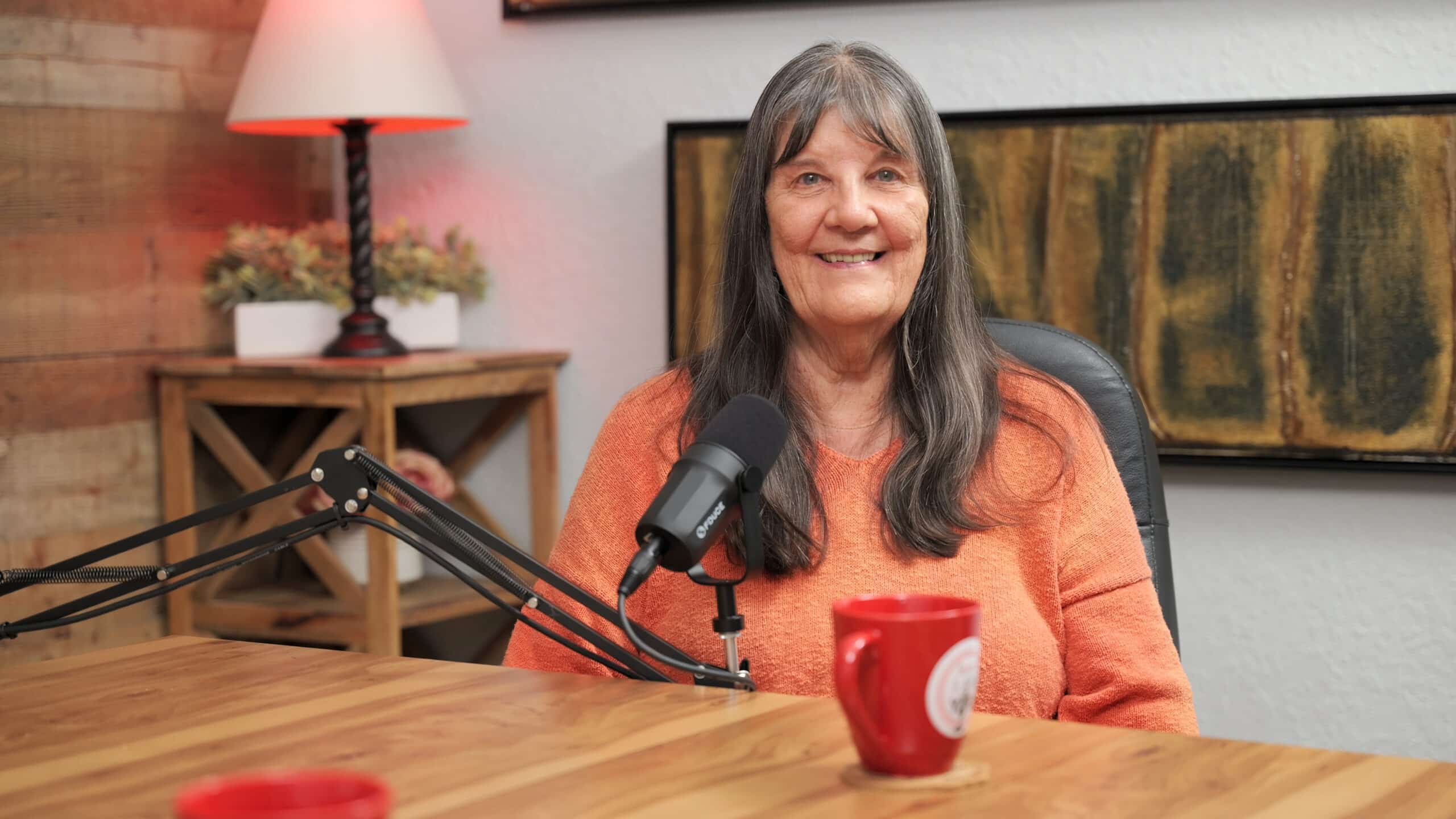
By Dr. Nitza Alvarez, MD, FACC for NITZAMD
Growing up, many of us were raised under a strict, unspoken medical rule: The doctor’s word is the absolute law. For generations of women, primary care physicians occupied an almost godlike, authoritarian position. If a male doctor told your mother or your aunts to take a pill, they took it. If he told them their symptoms were nothing to worry about, they went home and suffered in silence—even if their own intuition was screaming that something was fundamentally wrong.
Deb Williams was raised in that exact environment. But when she turned 18, a single, shocking medical encounter shattered that illusion forever and forced her to find her voice as a healthcare advocate.
The Appointment That Changed Everything
As a young woman on her way to visit her mother in the hospital, Deb noticed a distinct, concerning lump under her arm. Naturally worried, she made a pit stop at her family’s trusted primary care physician. She sat on the examination table, expecting a routine, objective evaluation.
Instead, she was met with pure administrative arrogance.
The physician didn’t look at her arm. He didn’t palpate the lump. He didn’t even put on gloves. He simply looked at her face and said, “You’re just turning into your mother. She’s a hypochondriac, and you’re turning into her.” Then, he closed her chart and walked out of the room.
Dr. Alvarez’s Insight: “This is the unfortunate, heartbreaking truth for so many women. They enter a clinical space looking for help, only to be told that their very real physical symptoms are entirely ‘in their head.’ When a provider refuses to even perform a basic physical exam because of an internal bias, the system has failed the patient.”
Breaking the Cycle of Medical Silence
At 18 years old, sitting empty and dismissed in that office, Deb faced a choice. She could accept the “godlike” word of a dismissive physician, or she could trust her own body.
Thankfully, she chose her body. Deb stopped at her mother-in-law’s house and showed her the lump. Recognizing the neglect, her mother-in-law immediately bypassed the family doctor and secured an 8:00 AM appointment the next morning with her own physician.
The contrast between the two experiences was night and day:
- The First Doctor: Leveraged personal insults, refused to touch the patient, and exhibited complete clinical bias.
- The Second Doctor: Sat down, listened intently, physically examined the area, prescribed targeted medication, applied heat therapy, and established a clear three-day follow-up plan.
The secondary provider didn’t necessarily possess superior medical machinery; he simply possessed a fundamental level of human empathy and clinical curiosity. He listened.
Demanding a Partnership in Care
Your healthcare journey should never be an authoritarian dictatorship; it must be an active, fluid partnership. A physician’s advanced medical degree does not grant them ownership over your body. You are the absolute expert on the skin you live in.
If a provider makes you feel small, empty, or dramatic, you do not have to keep sitting on their examination table. Deb’s initial victory at 18 wasn’t just that her lump was treated—it was that she refused to stop talking until someone listened. If you are navigating a dismissive medical environment in Central Florida, let Deb’s early lesson give you the courage to stand up, turn around, and find a doctor who views you as an equal partner in your own survival.